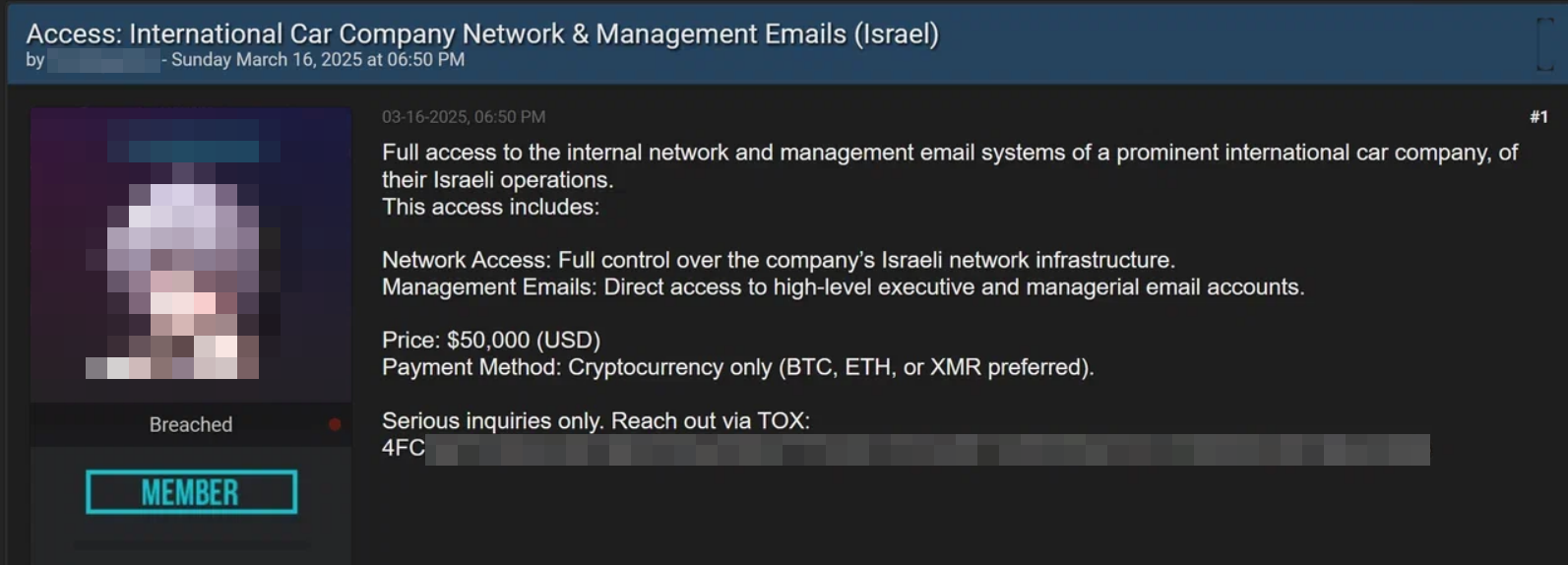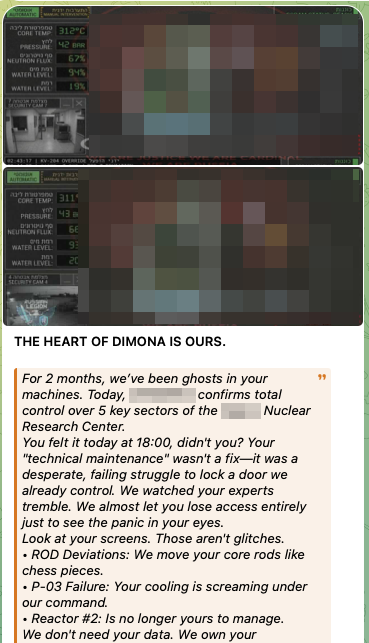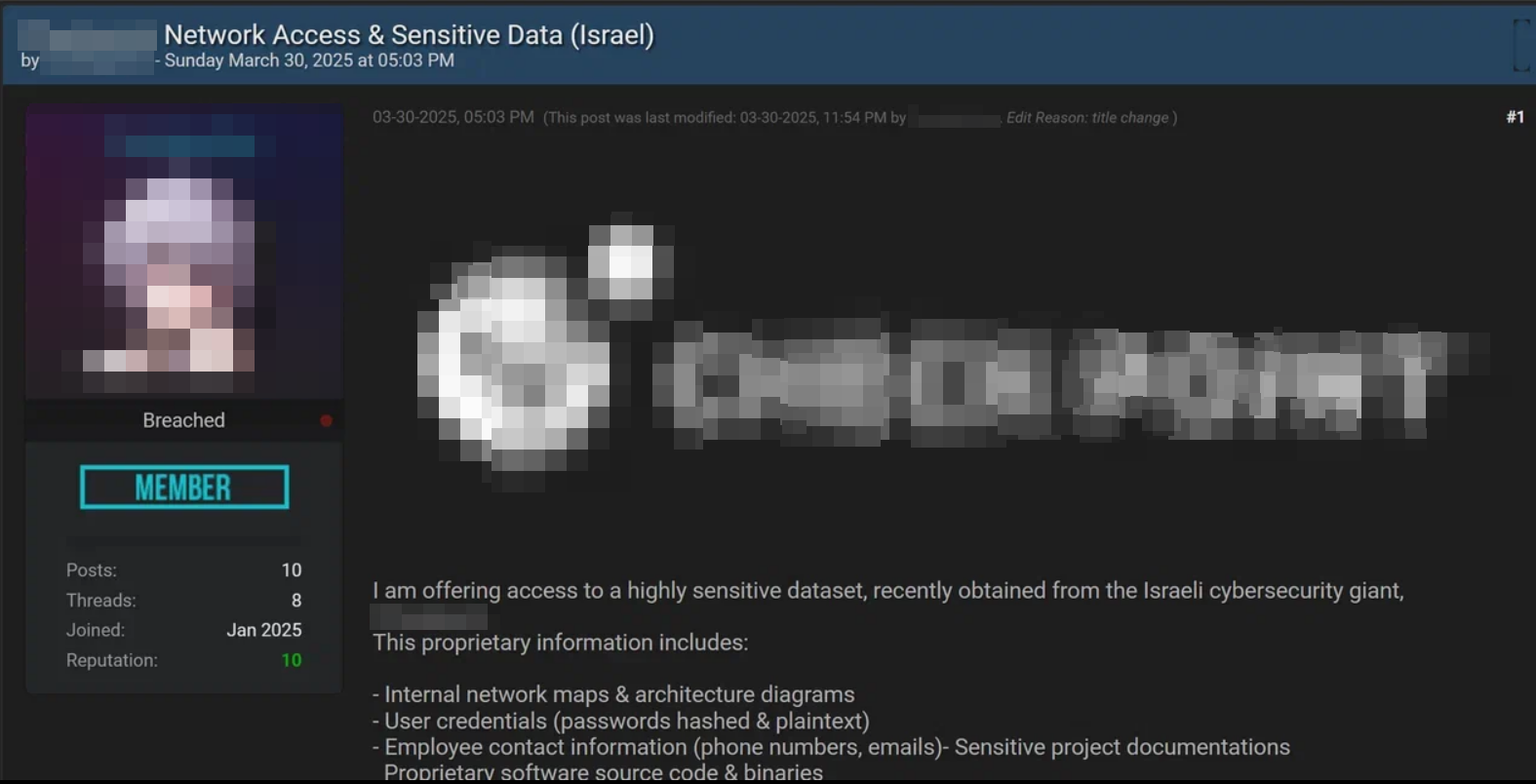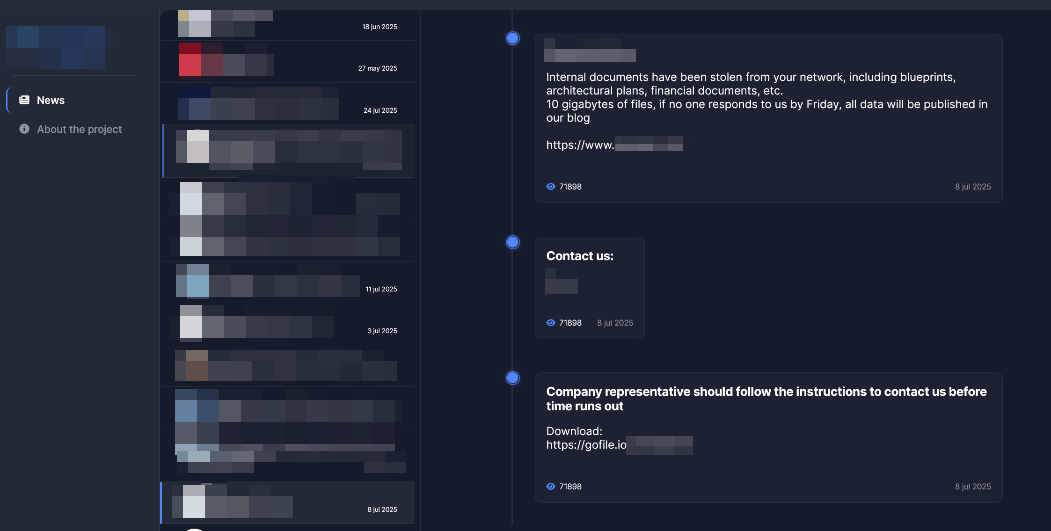
The Middle East is a rapidly developing region with a complex economic and geopolitical landscape. The combination of high economic potential, active investment in technology, industry-wide digital transformation, and geopolitical instability attracts both threat actors focused on espionage and critical infrastructure disruption, and financially motivated cybercriminals and hacktivists1.
This study covers the period from Q2 2025 through Q1 20262 and analyzes the regional cyberthreat landscape. The following countries were covered by the research: Bahrain, Cyprus, Egypt, Iran, Iraq, Israel, Jordan, Kuwait, Lebanon, Oman, Palestine, Qatar, Saudi Arabia, Syria, the United Arab Emirates (UAE), and Yemen.
Study objectives:
Outline the regional cyberthreat landscape based on open-source intelligence and dark web data, mapping findings against periods of geopolitical escalation and de-escalation.
Analyze the threat landscapes of the most targeted countries in the region, identifying how they correlate with geopolitical conflicts, as well as industrial profiles and economic situation.
Forecast future regional cyberthreats and provide actionable defense recommendations.
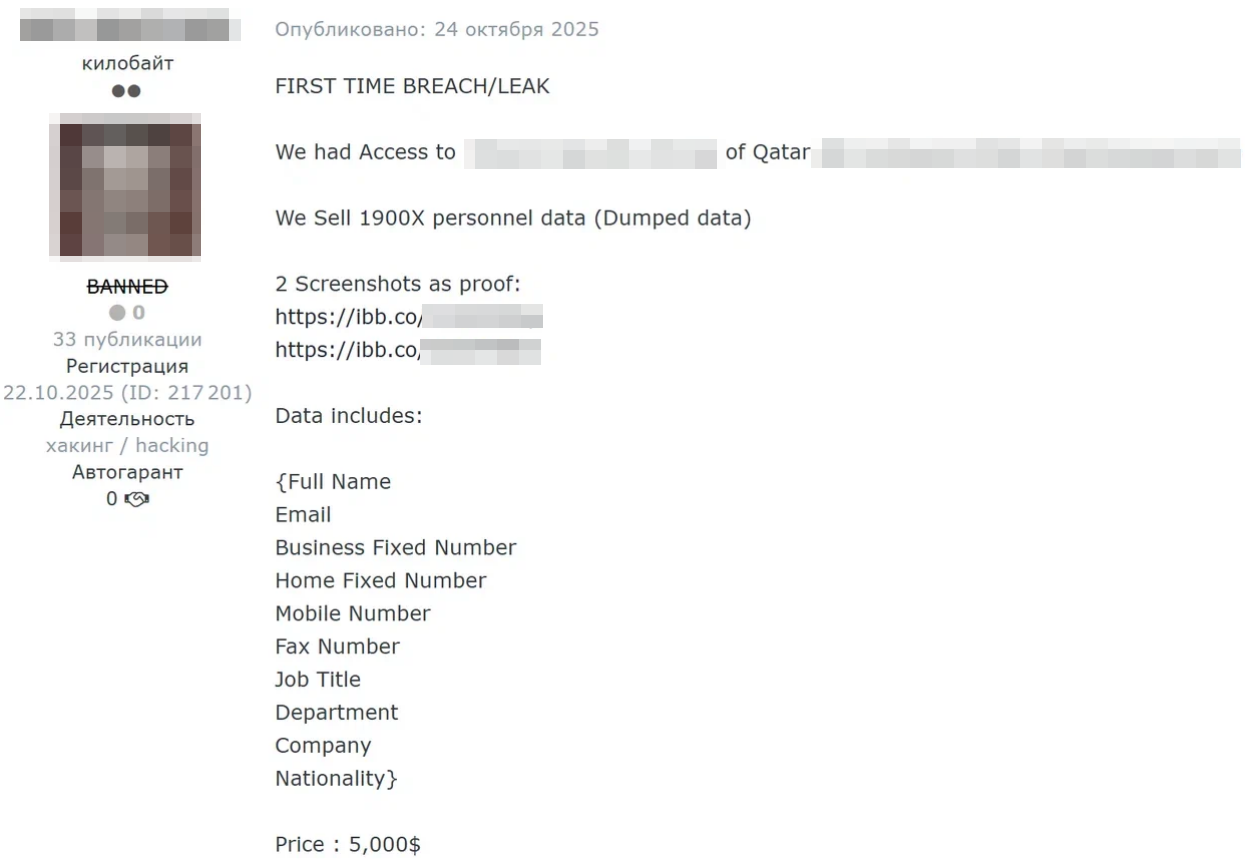
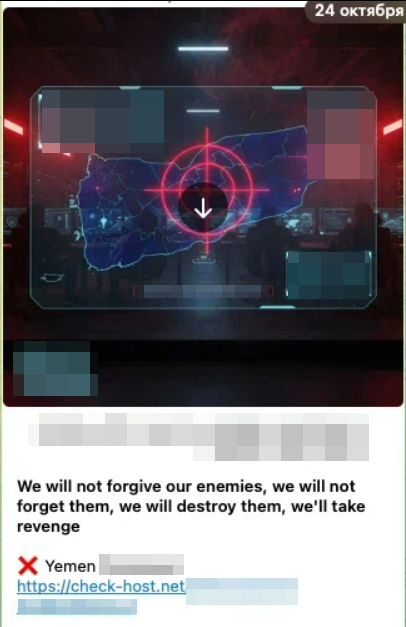
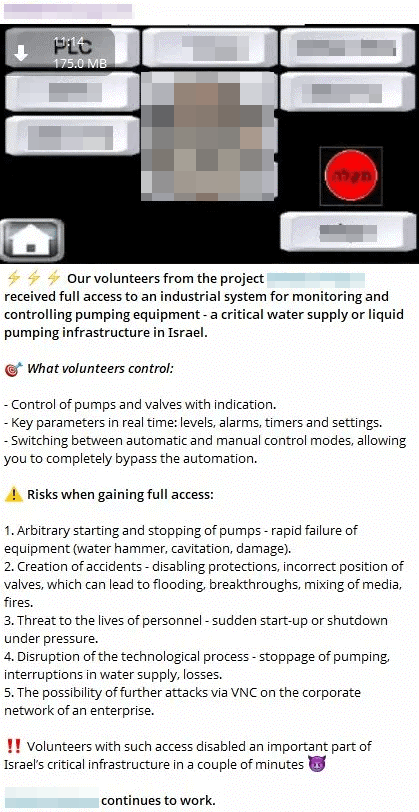
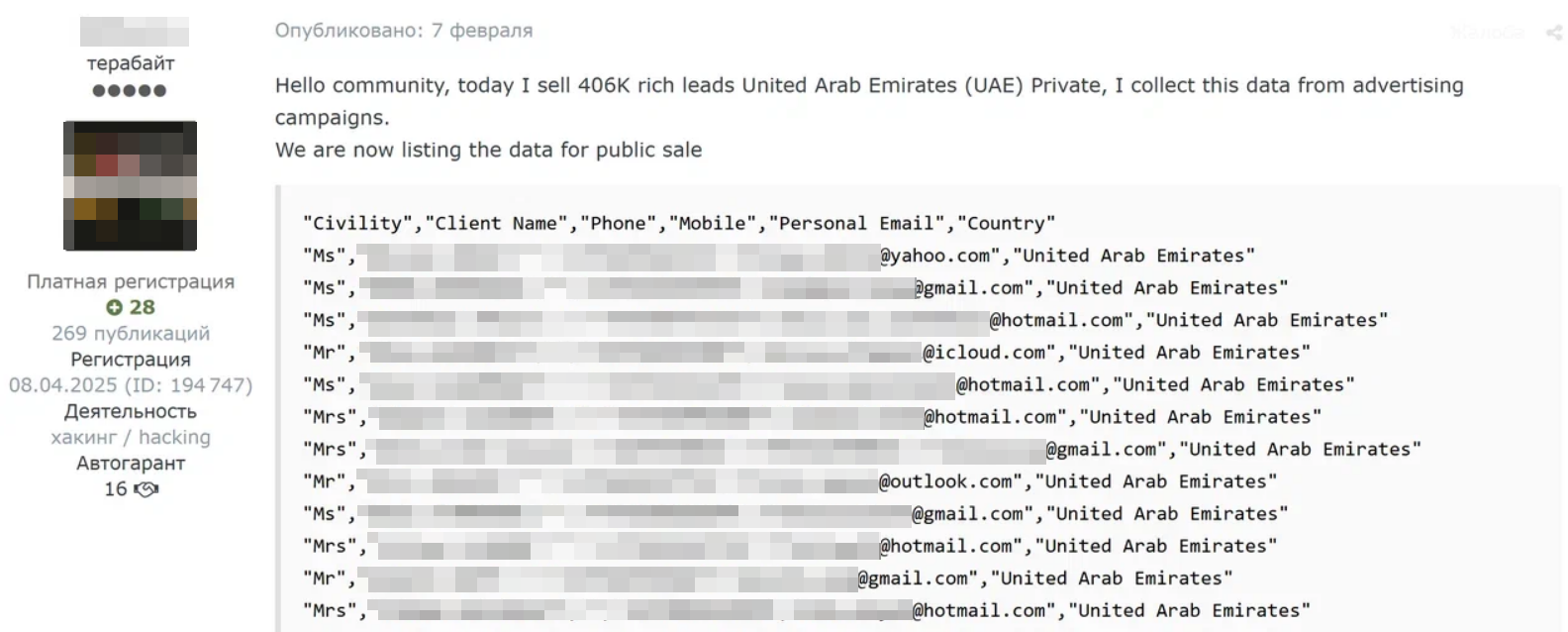
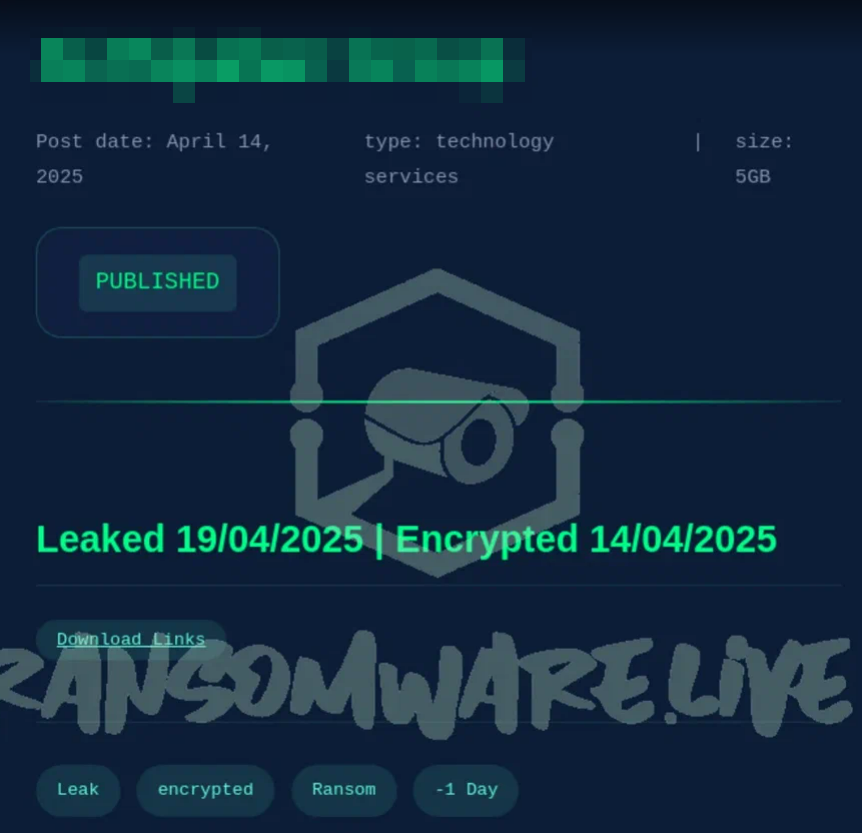
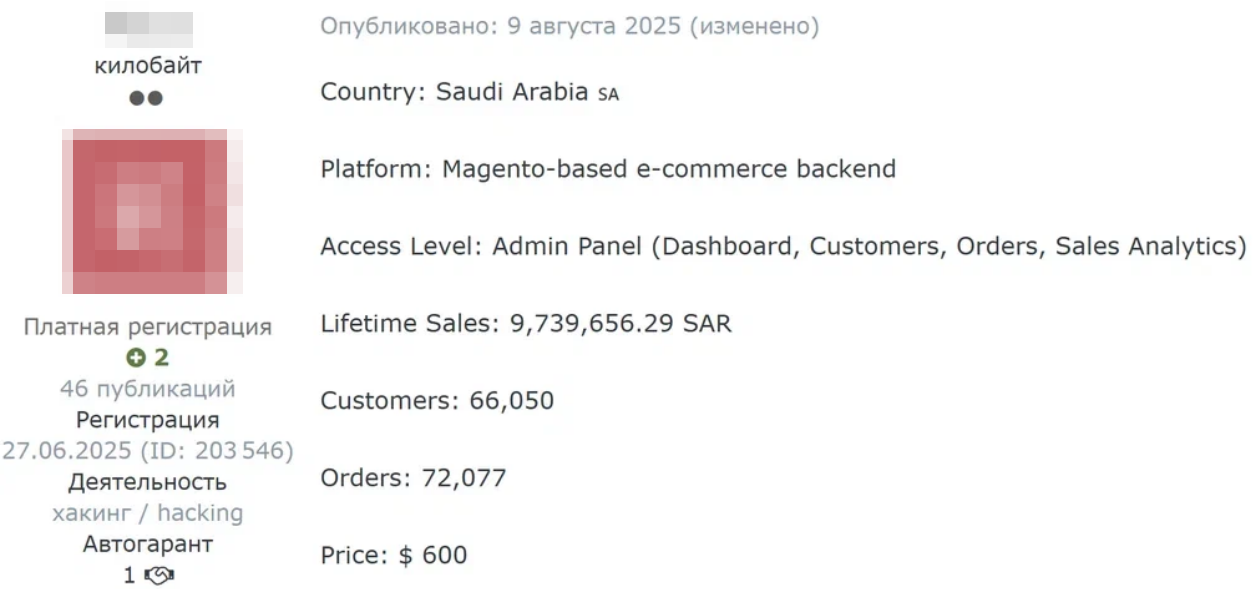
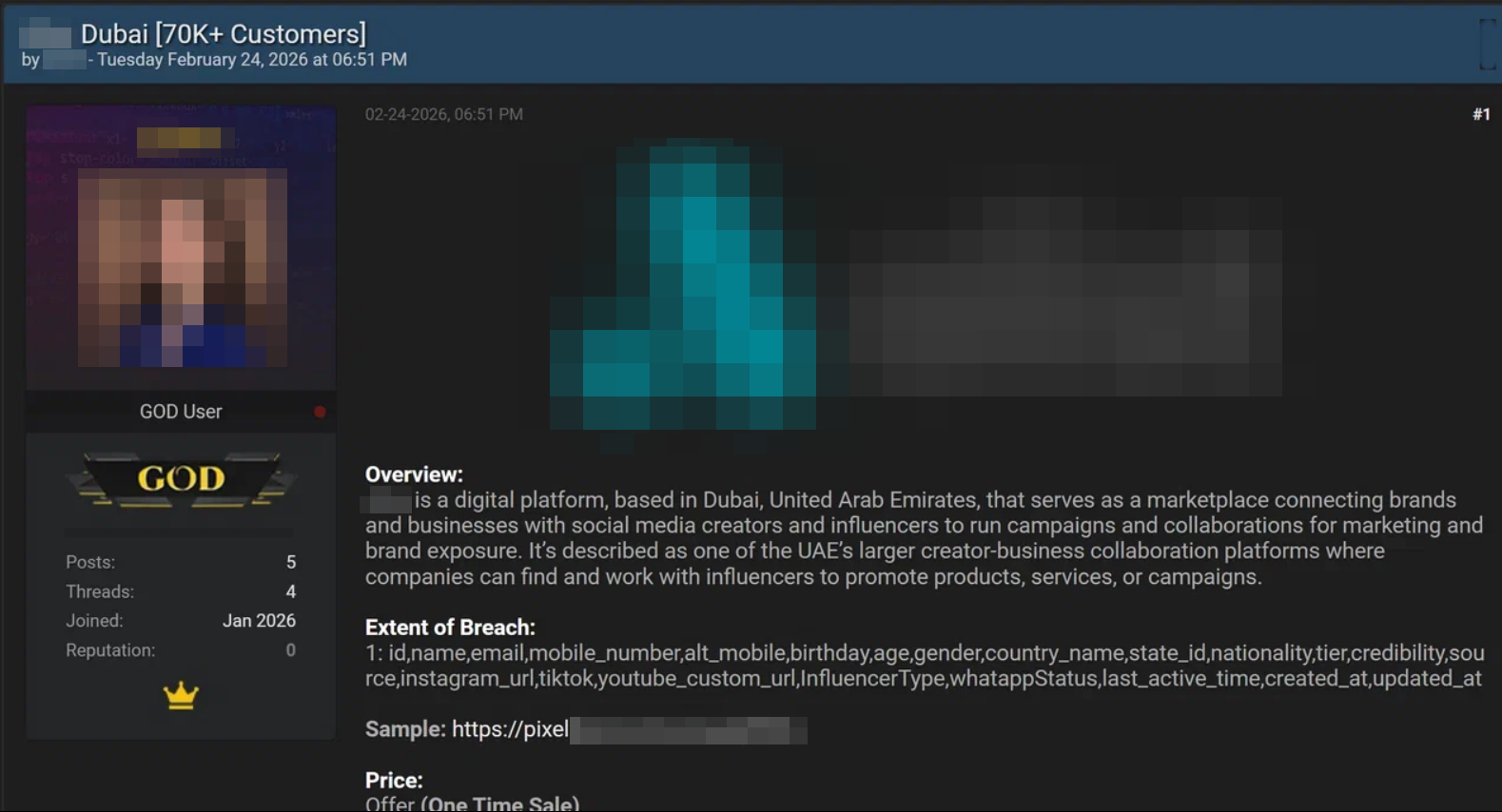
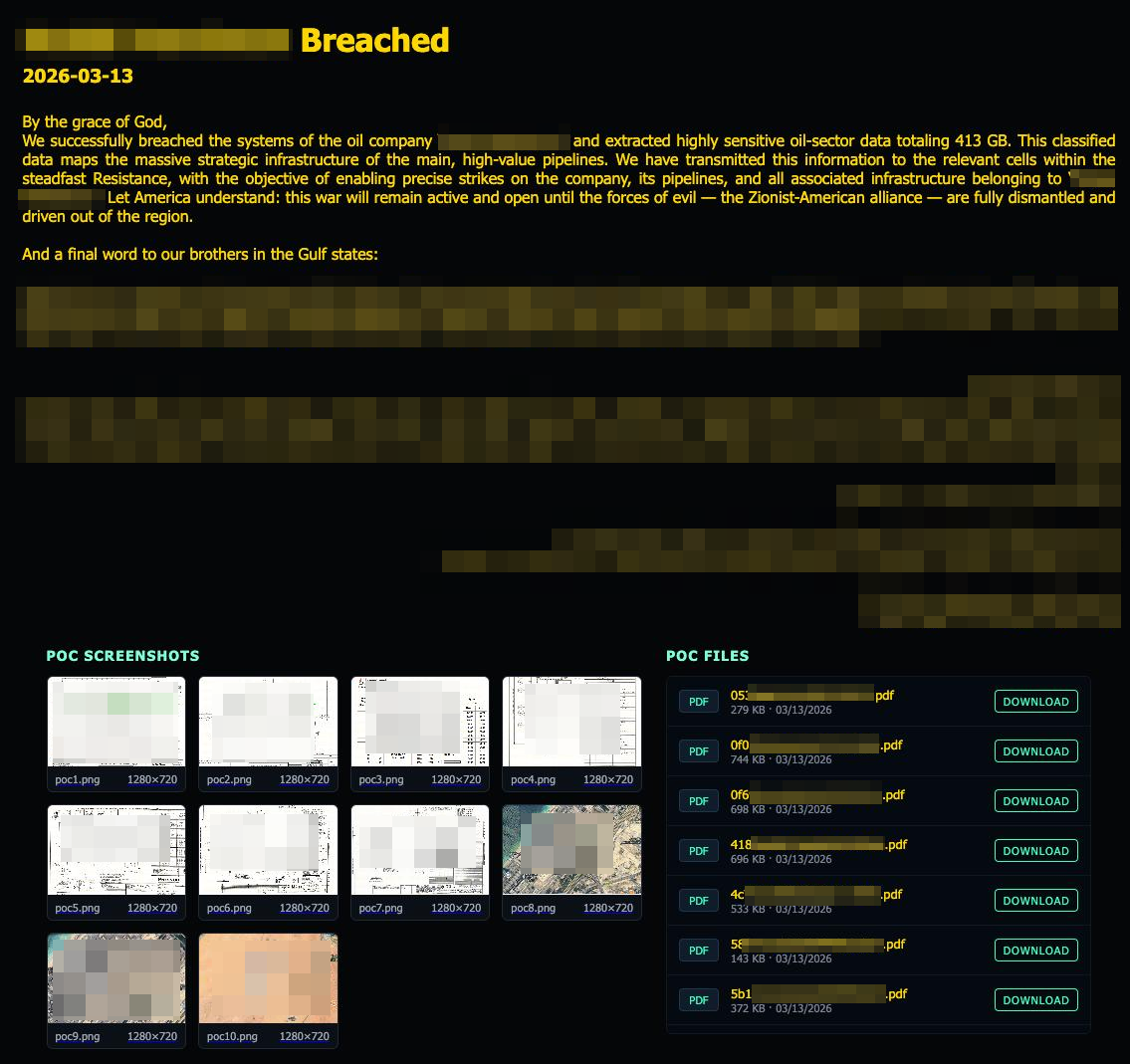
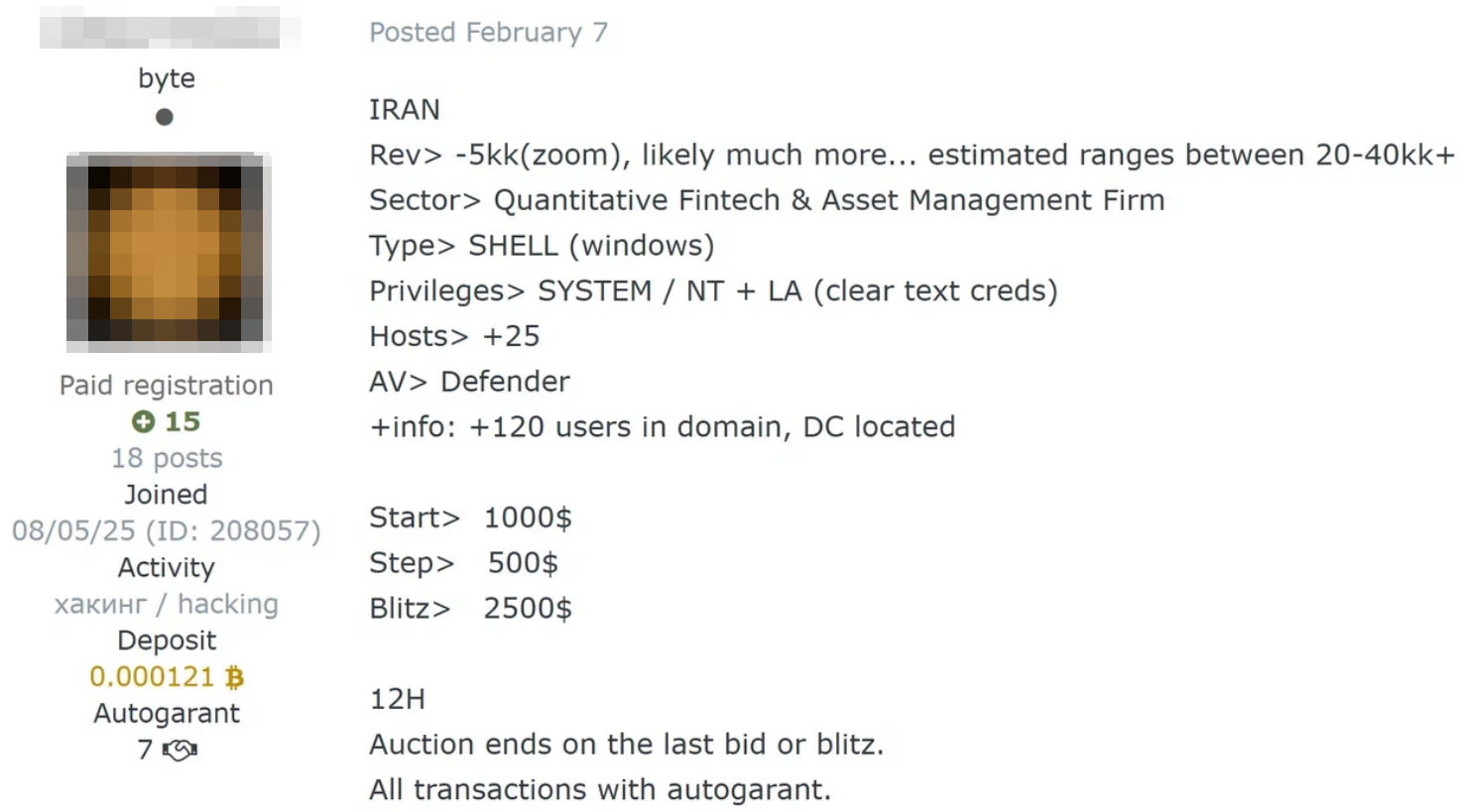
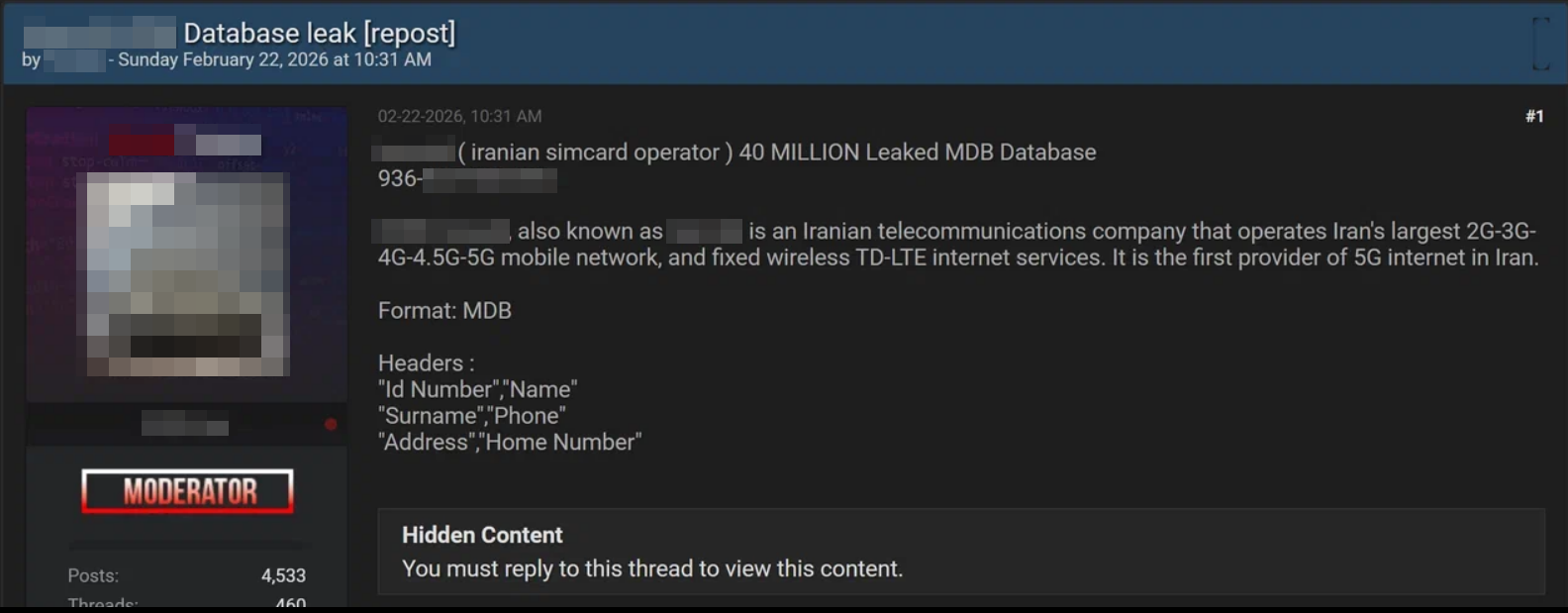
To map the Middle Eastern cyberthreat landscape, we used OSINT combined with dark web intelligence. Sources included three major underground forums, over 60 Telegram channels, and various data aggregators tracking website defacements, malware operations (including ransomware), and DDoS attacks.
We estimate that most cyberattacks are not made public due to reputational risks. As a consequence, even companies specializing in incident investigation and analysis of hacker group activity are unable to calculate the precise number of threats.
Our incident database is updated on a rolling basis. However, some incidents may be reported online long after the actual attack took place. Therefore, this report is accurate as of the date of publication. For explanations of terms used in this report, please refer to the Positive Technologies glossary.