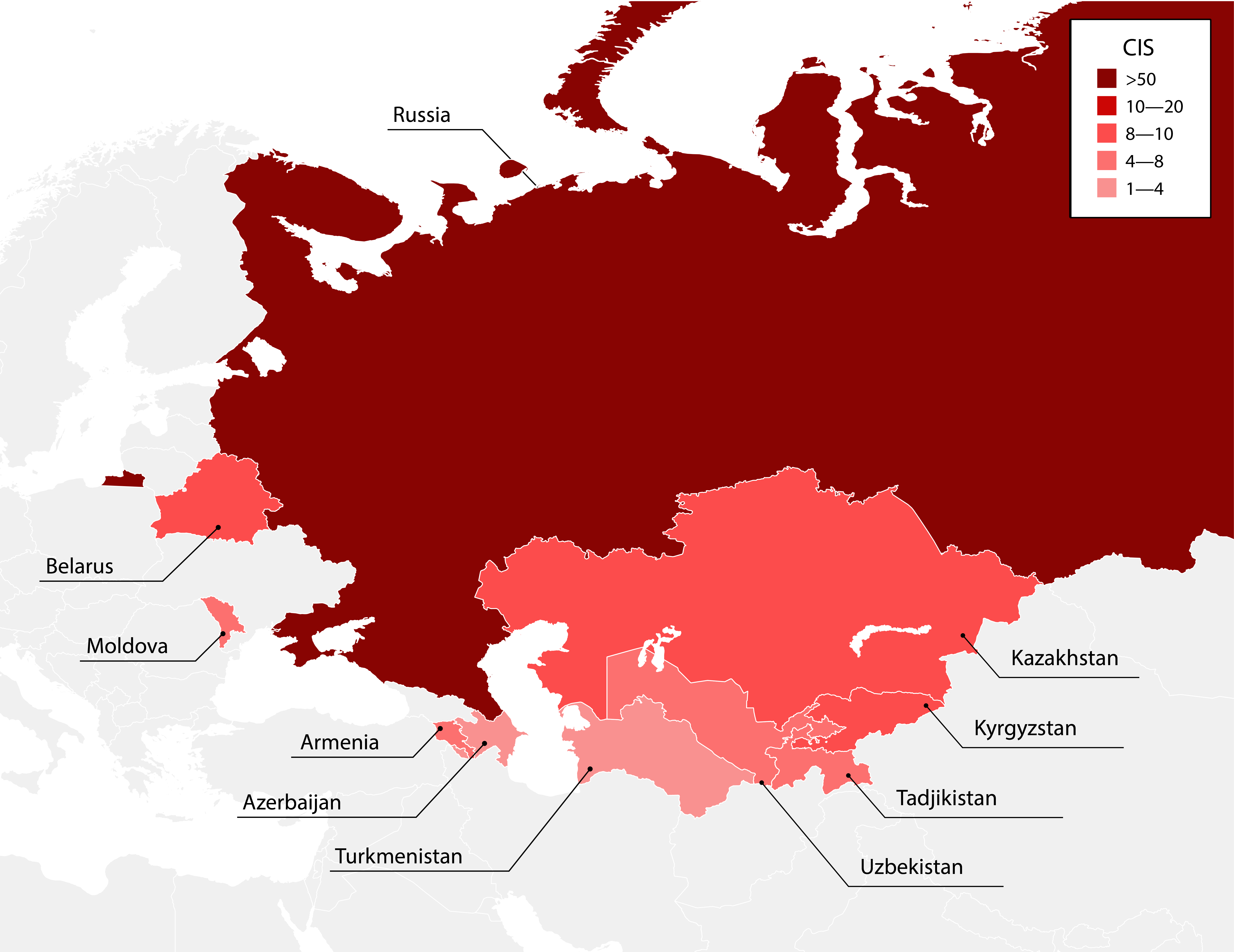
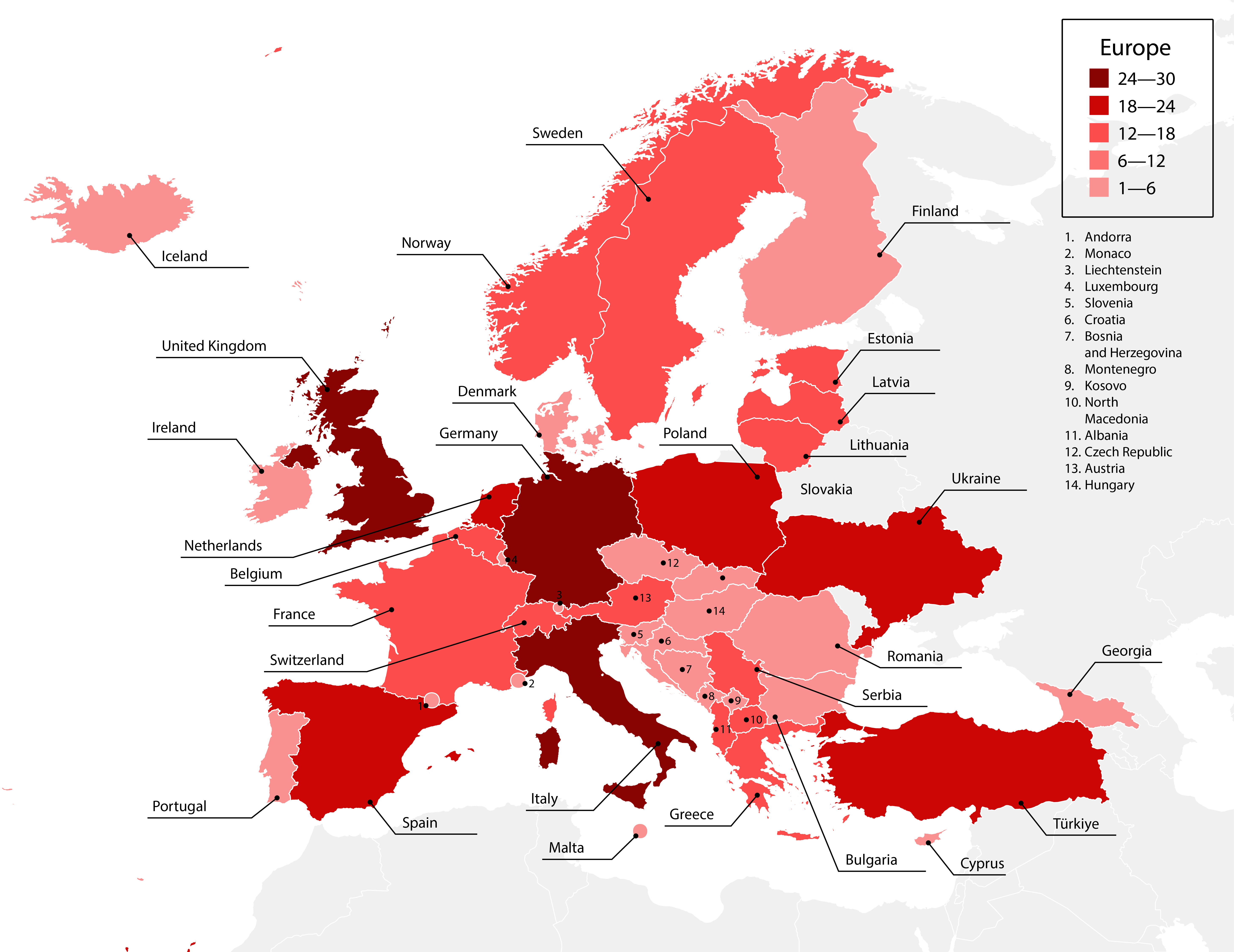
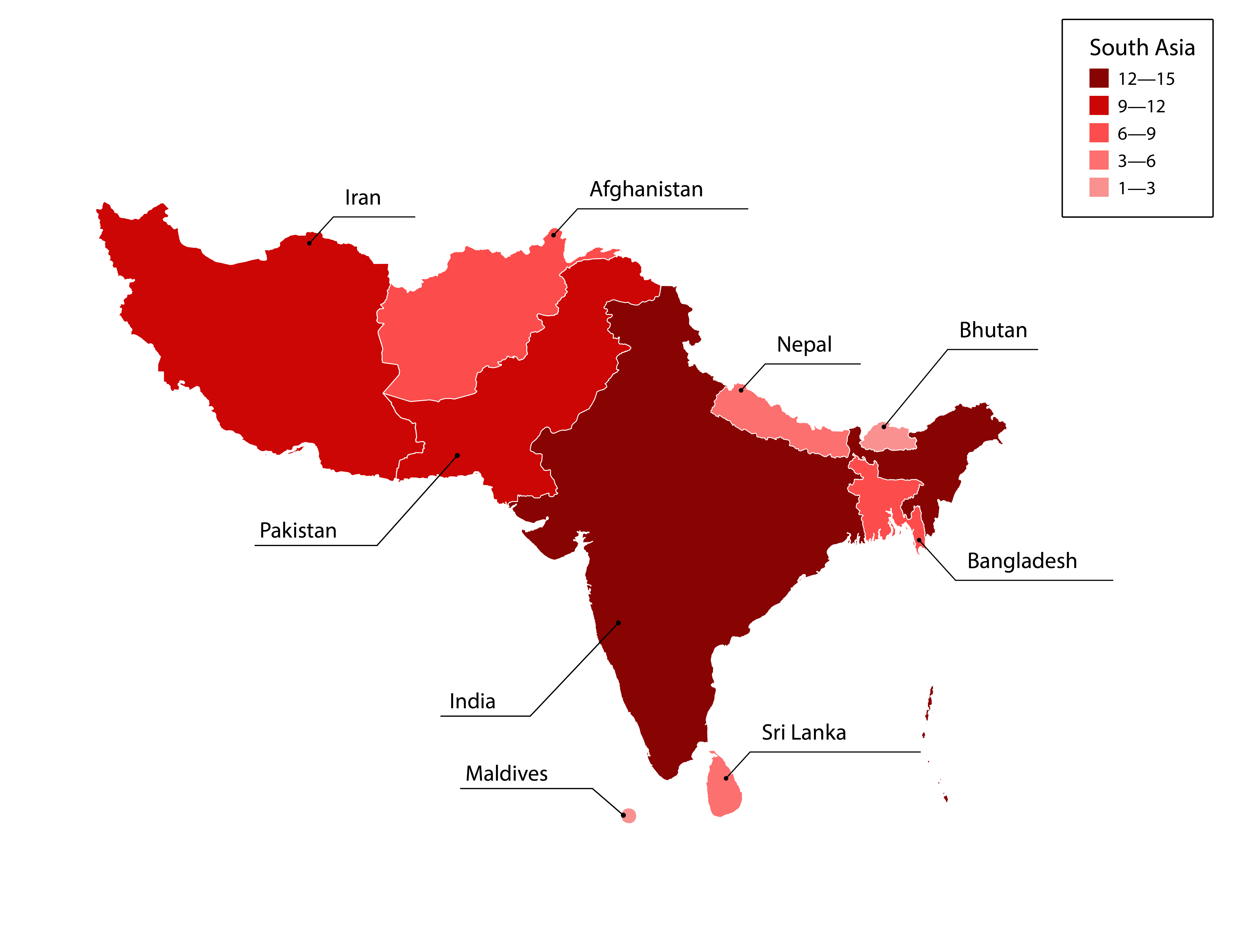
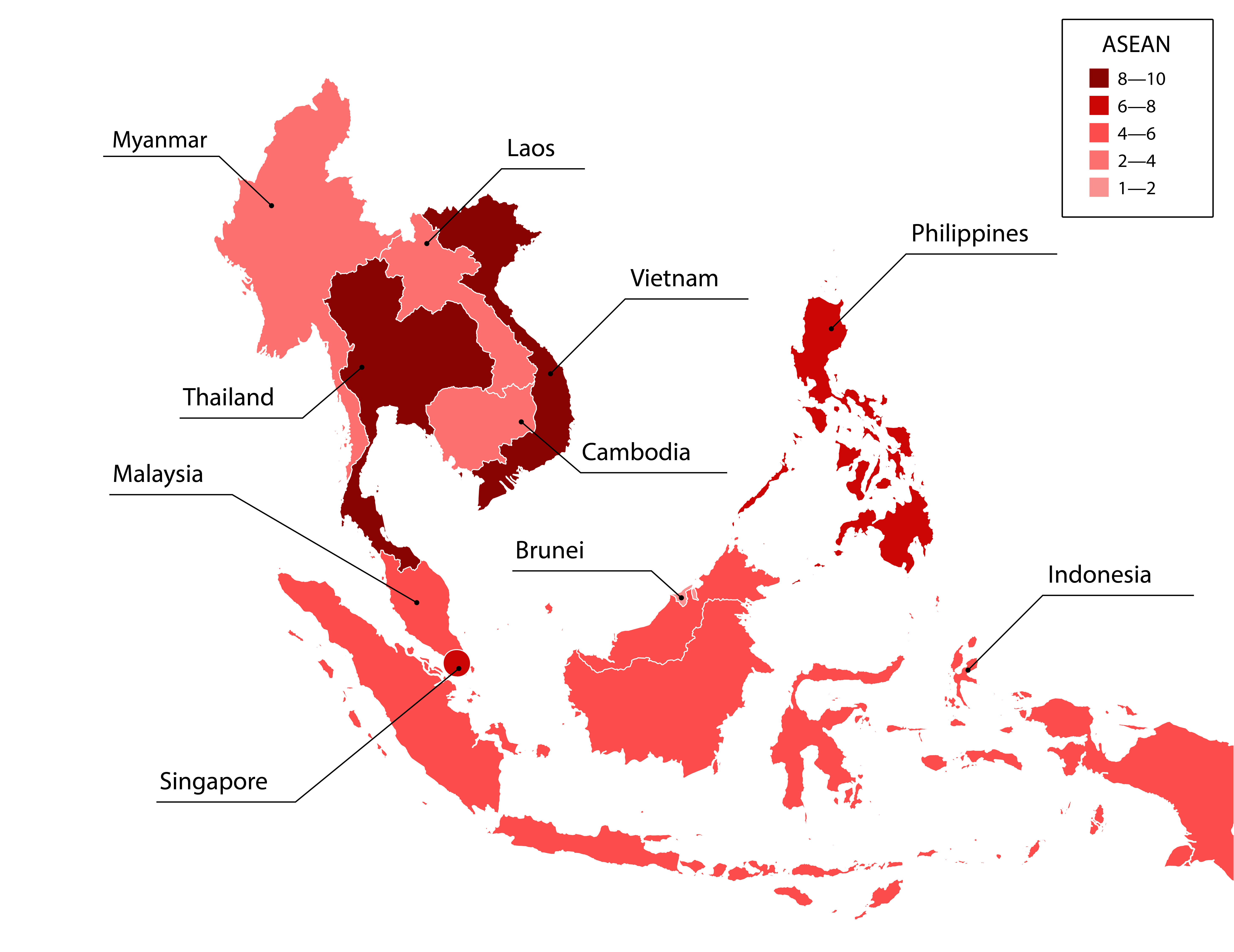
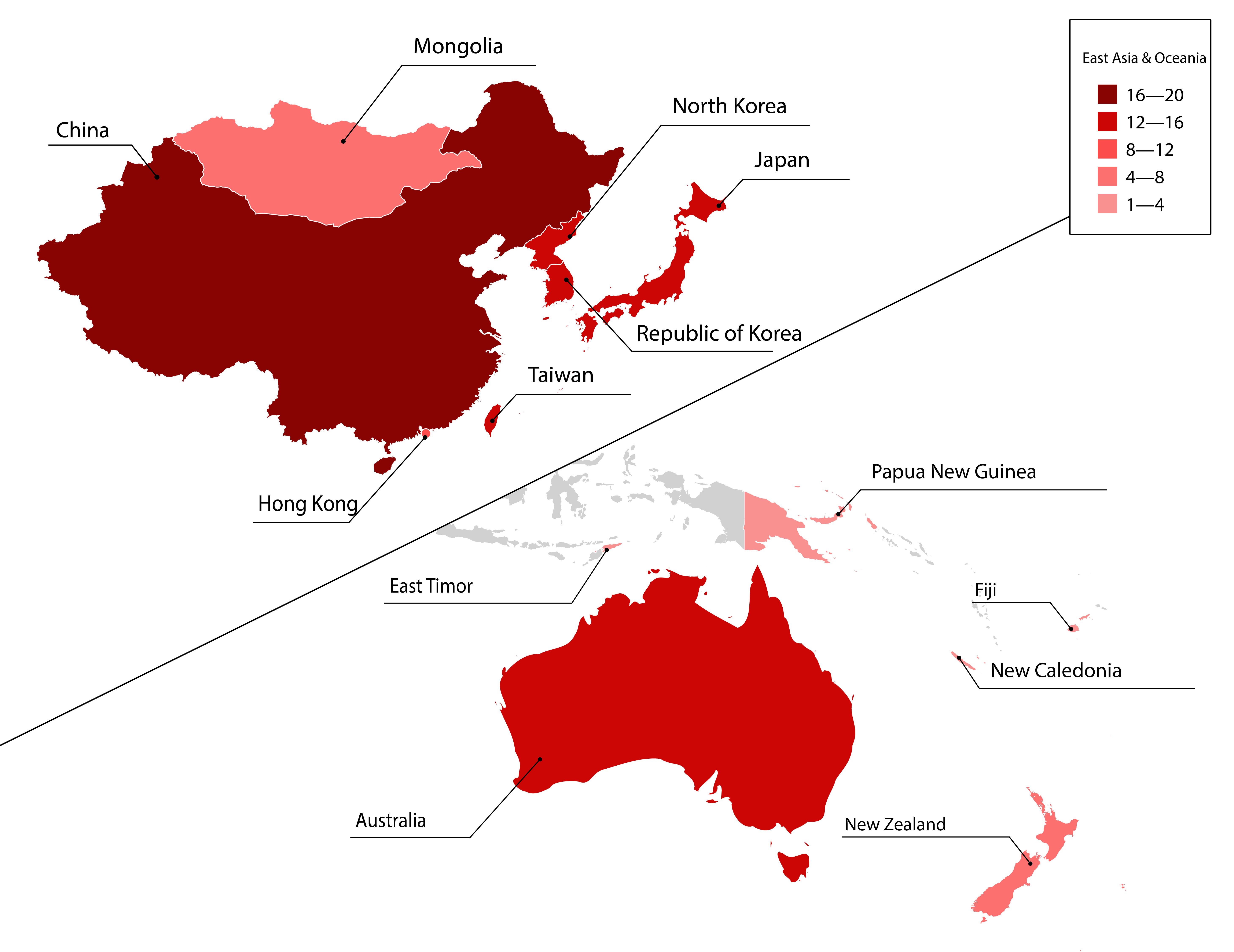
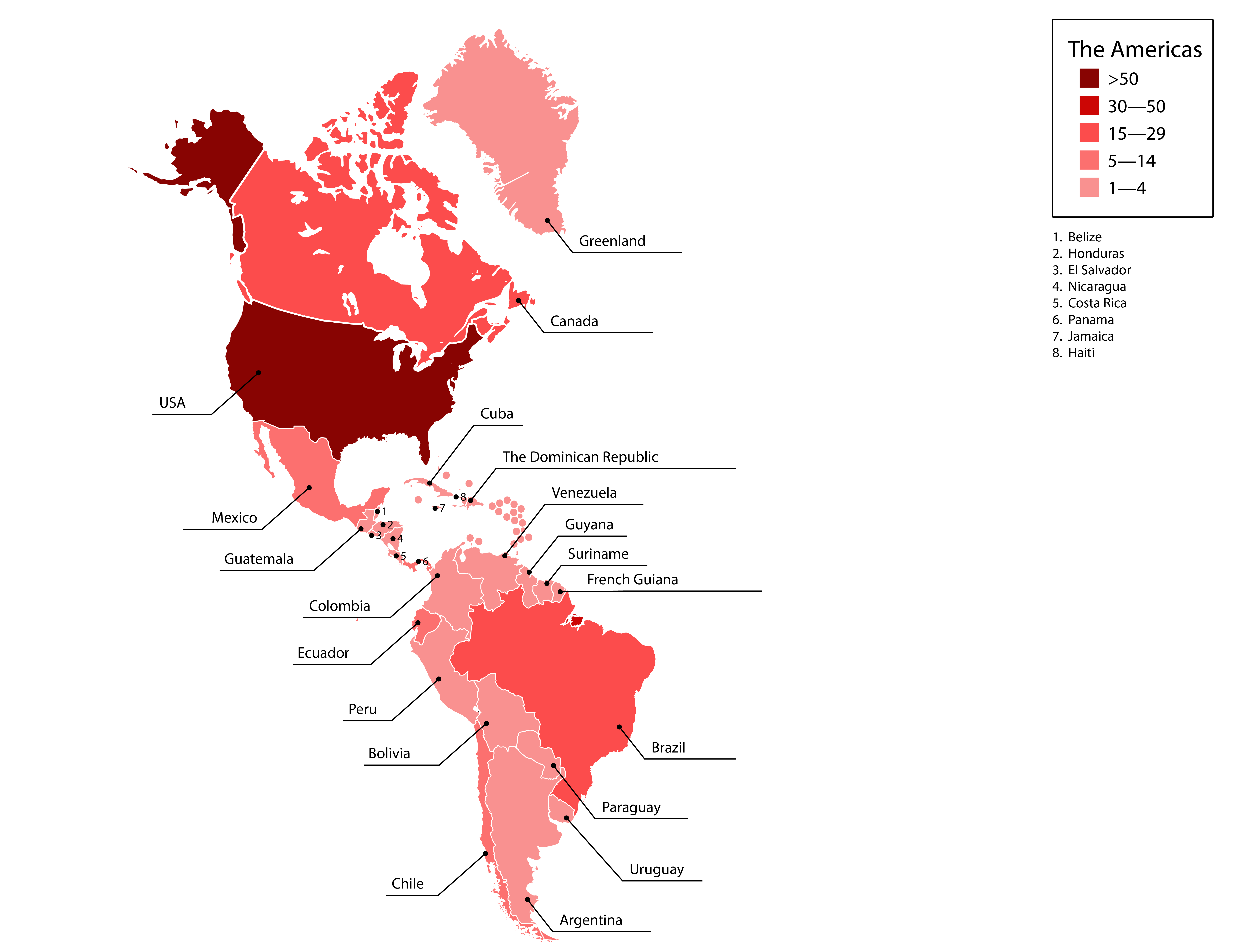
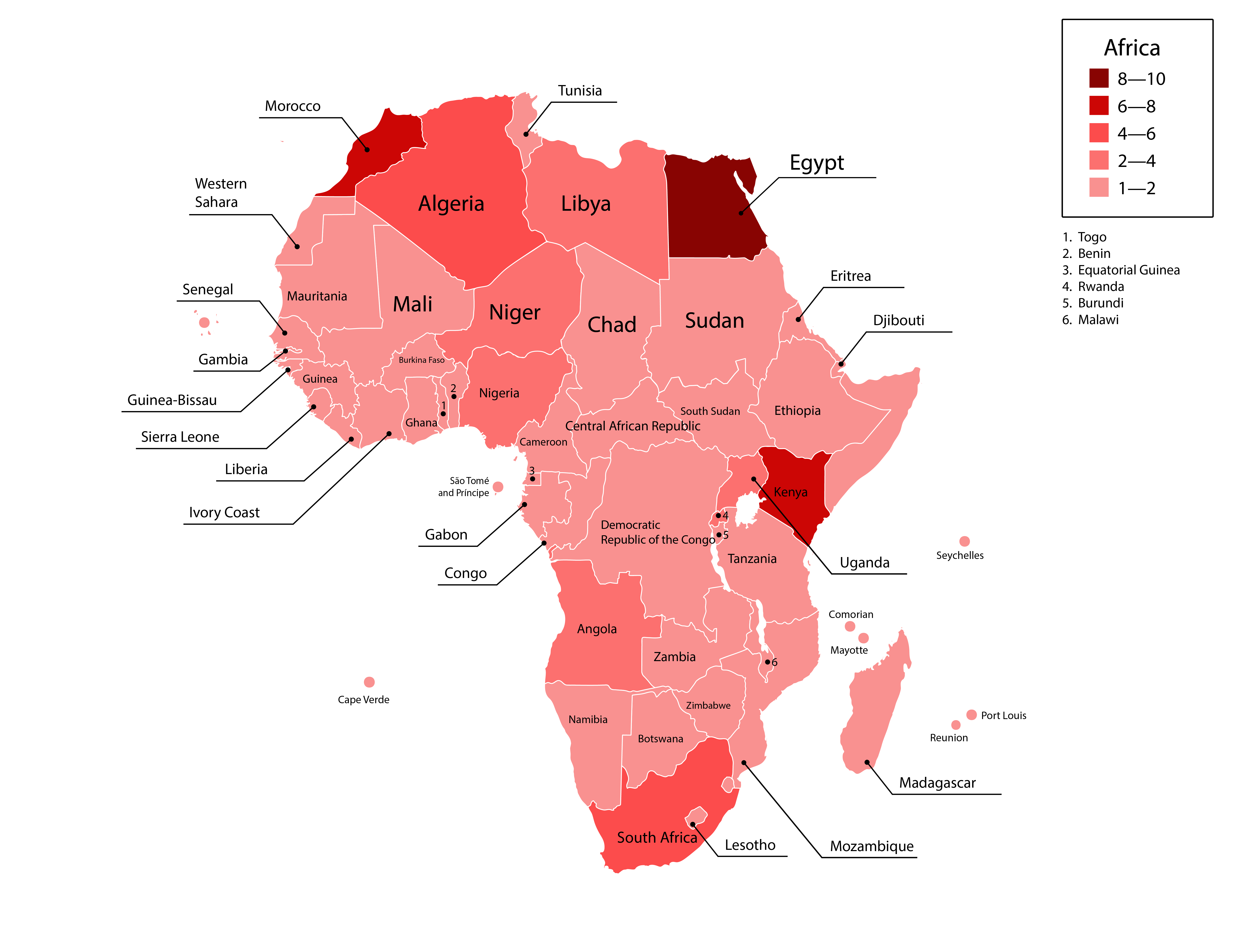
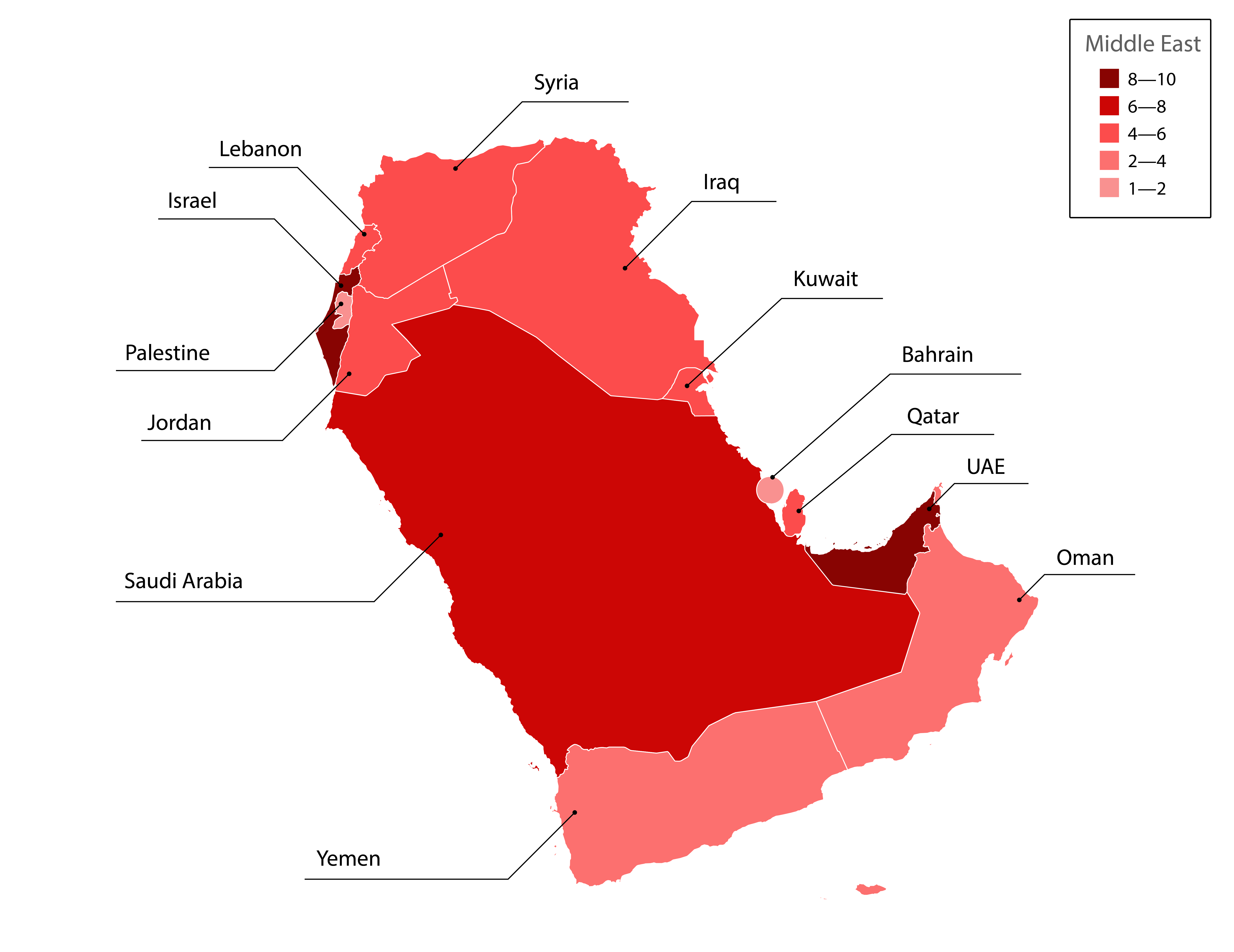
The impact of attacks carried out by APT groups and political hacktivists can be far-reaching, with damage manifesting in various forms, from large-scale data breaches involving sensitive information to the direct disruption of critical infrastructure.
The motivations of these groups may vary, including:
- Data breaches and espionage. The theft of sensitive information remains a key objective for many adversary campaigns. In 2025, a number of high-profile data breaches occurred as a result of targeted intrusions. One example is the espionage campaign conducted by the Cloaked Shadow group, which affected several defense industry enterprises in Russia.
- Sabotage and disruption of systems. In 2025, there was a notable increase in destructive cyberattacks targeting critical infrastructure, carried out by both hacktivist groups and APT actors. For example, APT33 and affiliated groups such as MuddyWater and OilRig have been linked to a series of attacks, including attempts to gain access to critical information infrastructure (CII). The impact of such operations extends beyond direct financial losses (downtime, equipment recovery) to undermining trust in the security of entire sectors. Moreover, these attacks often produce cascading effects: disruptions in the energy sector can halt industrial production, while attacks on water treatment facilities may lead to humanitarian crises.
- Financial theft and extortion. Many groups pursue multiple objectives within a single campaign. A notable example is North Korean pro-state groups, which in 2025 stole a record volume of cryptocurrency totaling approximately $2 billion, an increase of 51% compared to the previous year. In addition to financial gain, these operations also enabled attackers to obtain large volumes of exchange customer data and personally identifiable information.
During such attacks, companies and governments lose sensitive information (personal data, trade secrets, or internal documents), incur direct financial losses, experience disruptions to critical services, and in some cases face risks to human life (for example, in attacks targeting healthcare, energy, or transportation systems).
Each of these incidents illustrates the broad spectrum of threats posed by APT groups and hacktivists: theft of military secrets, disruption of critical infrastructure, large-scale intrusion campaigns, and long-term cyberespionage operations that can persist for years.
Given the above, cybersecurity is no longer a purely technical issue but a strategic priority. The threat posed by such groups directly impacts national security, economic stability, and society as a whole, making investments in cybersecurity measures and counter-threat capabilities not just justified but essential.
To better understand the nature and scale of these threats, let us examine several notable incidents from 2025 involving APT groups and hacktivist actors:
- Theft of military technologies. In October 2025, the Lazarus Group conducted a targeted operation against at least three European companies specializing in drone manufacturing and defense components. The attackers sent spear-phishing emails disguised as job offers, containing malware that enabled remote access. As a result, sensitive technical data related to drone technologies and production processes was exfiltrated. Given that these companies are defense contractors, the breach posed a direct risk to military security.
- Zero-day vulnerability exploitation (USA, Europe, and Asia). In 2025, a large-scale campaign was uncovered in which East Asian APT groups exploited a previously unknown ToolShell vulnerability in the corporate platform Microsoft SharePoint. The attackers were able to compromise corporate networks across four continents, including the United States, where key government agencies were affected. In total, dozens of organizations across North America, Europe, Asia, and Africa were compromised.
- Long-term espionage and covert persistence. The UNC3886 group conducted a prolonged and stealthy campaign in 2025 aimed at infiltrating and maintaining persistence within corporate and infrastructure networks. As part of the Fire Ant campaign, attackers compromised systems hosted in virtualized environments and deployed backdoors, enabling long-term access and continuous data collection while remaining undetected within victim networks.
The activities of APT groups and hacktivists demonstrate a clear and sustained trend: attacks targeting critical information infrastructure are no longer isolated incidents, but are increasingly systemic, long-term, and strategic in nature. Modern APT actors and advanced hacktivist groups operate covertly, leverage multi-stage compromise chains, combine cyberespionage with sabotage, and deliberately target assets whose disruption may result in significant social, economic, and political consequences.
Amid escalating geopolitical tensions and the growing interest of pro-state actors and hacktivists in critical infrastructure, cybersecurity is evolving from a purely technical domain into a strategic priority for states.
Against this backdrop, there is a clear need to develop a set of key recommendations aimed at improving the resilience of organizations and governments against sophisticated targeted cyberattacks.
- First, organizations of all sizes should reconsider their traditional approach to security. Basic cybersecurity measures are no longer sufficient to counter highly skilled threat actors. A proactive cybersecurity strategy and continuous monitoring are required. Experts emphasize the need to transition from a reactive defense model to a cyber resilience framework, which means continuous threat detection, rapid incident response, and the ability to maintain operations even under active attack.
- Second, investment in modern cybersecurity technologies is consistently justified by the prevention of large-scale incidents. Equally important is the development of threat intelligence capabilities, including systems for collecting and analyzing data on potential attacks. In practice, this involves proactively identifying emerging tactics and tools used by APT groups and hacktivists, monitoring their activity on the dark web, and sharing indicators of compromise (IoCs) across organizations. Cyberthreat intelligence is now as critical as technical protection measures, as it enables early-stage detection and prevention of attacks.
- Third, the human factor and workforce readiness remain critically important. Many sophisticated attacks still originate from simple vectors such as phishing emails. Regular employee training in cybersecurity awareness, attack simulations (penetration testing, phishing simulations), and the development of a security-first culture within organizations help mitigate these risks. In addition, at the national level, there is a growing need to train a larger number of cybersecurity professionals capable of countering highly skilled adversaries.
The scale and severity of APT activity and political hacktivism necessitate substantial investment in cybersecurity. Spending on monitoring systems, threat intelligence capabilities, and employee training is significantly lower than the potential damage caused by a large-scale cyberattack.
The past year has clearly demonstrated that without preventive measures and the modernization of security controls, organizations face a high risk of data breaches, operational disruptions, and sabotage of critical services. Therefore, investment in cybersecurity should no longer be viewed as optional, but as a fundamental prerequisite for operational stability and security.
The objectives of such groups are becoming increasingly diverse. For example, many pro-state actors are no longer focused solely on critical infrastructure but are also targeting a broader range of organizations, including retail chains, sports and tourism facilities, and service sector companies, where geopolitical attribution, rather than potential damage, becomes the primary driver.
In addition, there has been a noticeable increase in attacks targeting healthcare institutions and educational organizations, with universities among those affected in several cases.
APT groups are increasingly focusing on major events, forums, sporting competitions, and large-scale gatherings, particularly those with a political dimension. In such cases, cybersabotage is aimed at damaging the international reputation of the host country, which often becomes the primary objective of the attackers.
A notable example is the surge in cybercriminal activity observed during the World Economic Forum 2025. During the event, phishing campaigns, attacks targeting participants, media organizations, and contractors, as well as attempts to compromise digital services were recorded. These activities were aimed at discrediting the host nation and undermining trust in its ability to ensure the security of international events.
It is important to note that such attacks are often closely linked to geopolitical conflicts and increasingly represent elements of cyberwarfare. Rising global tensions are driving the escalation of cyberattacks: APT groups operate in parallel with traditional instruments of pressure and, in some cases, in coordination with politically motivated hacktivists.
The motivation of threat actors, including traditionally intelligence-focused pro-state APT groups, is undergoing a rapid transformation. Their objectives now extend far beyond classical cyberespionage. There is a growing number of cases where even state-affiliated groups publicly released stolen databases on dark web forums to inflict reputational damage on their targets, as seen in attacks against media organizations, political parties, and industrial enterprises.
Geopolitical tensions have also reshaped the hacktivist landscape. Groups that previously operated purely on ideological grounds are increasingly being used as instruments of information and psychological operations, often directed or coordinated by more advanced pro-state APT actors. An example is the activity of the Void Manticore group, which demonstrated a hybrid approach in 2025, combining APT-style tactics with hacktivist methods.
As a result, the activities of these groups, once operating independently, are now increasingly converging and overlapping.
In addition, there is a growing number of cases in which groups that were not previously financially motivated are now compromising IT/OT environments to steal cryptocurrency, conduct extortion campaigns, sell access on dark web forums, and even disrupt industrial systems.
For example, the CyberVolk group combines elements of hacktivism with financially motivated operations and actively uses ransomware. In 2025, the group operated both as an ideologically driven hacktivist collective and as a financially motivated criminal entity, demanding cryptocurrency payments for data decryption while simultaneously disseminating politically motivated messaging through its channels.
A clear trend toward hybridization of operations is also emerging: diversionary DDoS attacks or large-scale phishing campaigns conducted by hacktivists are increasingly used as a cover for more covert and sophisticated intrusions involving vulnerability exploitation.
This convergence of tactics and interests between hacktivism, APT activity, and cybercrime creates a more complex and less predictable threat landscape. Traditional security approaches are becoming less effective, and organizations must now consider not only technical attack vectors but also their broader sociopolitical context.
At the same time, this raises the question of classification: how should such threats be categorized when hacktivist groups reach the level of APT capabilities or operate as proxies for pro-state actors? Addressing this requires a deeper analysis of attacker motivations, the impact of their operations, and the regional characteristics of political hacktivism.
Thus, it can be concluded that the boundary between advanced hacktivist groups and APT actors is gradually blurring, particularly in terms of motivation and operational objectives.